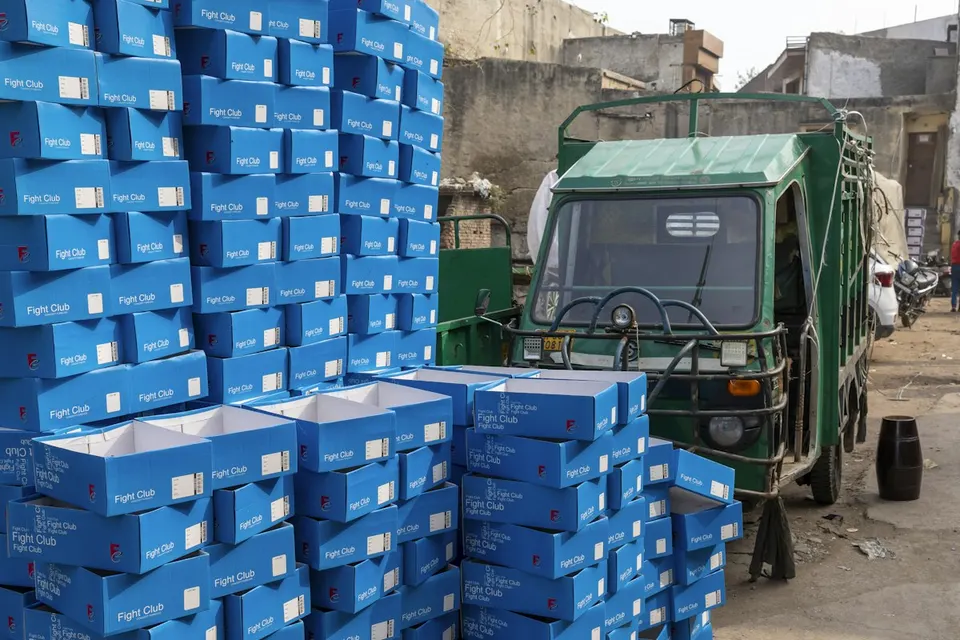
Medicines are classified in HSN Chapter 30. Under Notification 9/2025 (Rate), effective 22 September 2025, medicaments in bulk (3003) and in measured doses or retail packs (3004), including Ayurvedic, Unani, Siddha and homoeopathic medicines, are listed in Schedule I at 5% GST, along with vaccines and blood products (3002), dressings (3005) and specified pharmaceutical goods (3006). Some life-saving drugs are fully exempt.
Pharmacies, distributors and manufacturers handle thousands of products, but most of them fall in a small number of HSN headings. The September 2025 rate restructuring moved most medicines and many medical supplies into the 5% band and exempted a list of life-saving drugs. This guide lists the main pharma HSN codes with rates verified against the notification effective 22 September 2025, and explains how to bill them correctly.
New to HSN? Start with what is HSN code.
Which HSN chapter covers medicines?
Medicines and pharmaceutical products are in Chapter 30 — Pharmaceutical products. Related items sit in other chapters:
| Chapter / heading | Covers |
|---|---|
| 30 | Medicaments, vaccines, blood products, dressings, pharmaceutical goods |
| 3822 | Diagnostic kits and reagents |
| 4015 | Surgical and medical examination rubber gloves |
| 9018 | Medical, surgical, dental and veterinary instruments |
| 9019 | Mechano-therapy, oxygen therapy and respiration apparatus |
| 9021 | Orthopaedic appliances and implants (other than hearing aids) |
| 33 | Cosmetics and toiletries (often sold in pharmacies, but not medicines) |
What GST applies to medicines?
The following Chapter 30 entries are in Schedule I (5% IGST, i.e. 2.5% CGST + 2.5% SGST) of Notification 9/2025:
| HSN | Description (summarised from the notification) | GST |
|---|---|---|
| 3001 | Glands and organs for organo-therapeutic use; heparin; other human or animal substances for therapeutic use | 5% |
| 3002 | Blood prepared for therapeutic or diagnostic use; antisera, immunological products; toxins, cultures, cell cultures | 5% |
| 3002, 3006 | Animal or human blood vaccines | 5% |
| 3003 | Medicaments of two or more constituents, not in measured doses or retail packs (including Ayurvedic, Unani, Siddha, homoeopathic, Bio-chemic) | 5% |
| 3004 | Medicaments in measured doses or retail packs (including transdermal systems and Ayurvedic, Unani, homoeopathic, Siddha, Bio-chemic) | 5% |
| 3005 | Wadding, gauze, bandages, dressings, adhesive plasters, impregnated or for retail medical sale | 5% |
| 3006 | Pharmaceutical goods in Note 4 to Chapter 30 (sterile sutures, tissue adhesives, etc.) | 5% |
Schedule I also includes a general Chapter 30 entry for medicaments, including those used in Ayurvedic and other systems, manufactured exclusively in accordance with formulae in the authoritative books listed in the Drugs and Cosmetics Act and sold under the name given in those books.
Exempt drugs: Separately, specified life-saving drugs and medicines were exempted from 22 September 2025 through the exemption notification. Billing an item at nil is only correct if it appears in that list, so check the drug name against the current exemption notification.
What GST applies to medical supplies and devices?
Also from Schedule I (5%):
| HSN | Description | GST |
|---|---|---|
| 3822 | All diagnostic kits or reagents, including certified reference materials | 5% |
| 4015 | Surgical rubber gloves or medical examination rubber gloves | 5% |
| 9004 | Spectacles, corrective (including goggles for correcting vision) | 5% |
| 9018 | Instruments and appliances used in medical, surgical, dental or veterinary sciences | 5% |
| 9019 | Mechano-therapy, massage, oxygen therapy, aerosol therapy, respiration apparatus | 5% |
| 9021 | Orthopaedic appliances, splints, artificial body parts, intraocular lens (other than hearing aids) | 5% |
Items commonly sold in pharmacies but not medicines — such as toilet soap, shampoos, face creams and make-up — are classified in Chapters 33 and 34 and follow their own entries. For example, talcum powder and face powder (3304) and toilet soap (3401) appear in Schedule I, while other beauty and make-up preparations under 3304 appear in Schedule II at 18%. Check each such item separately.
Worked example: a pharmacy's invoice
A Thane pharmacy sells to a walk-in customer (intra-state). All prices are taxable values before GST:
| Item | HSN | Batch / expiry | Taxable value | Rate | CGST | SGST |
|---|---|---|---|---|---|---|
| Antibiotic tablets, 3 strips | 3004 | B2391 / 08-2027 | ₹420 | 5% | ₹10.50 | ₹10.50 |
| Ayurvedic syrup, 200 ml | 3004 | AY77 / 03-2028 | ₹180 | 5% | ₹4.50 | ₹4.50 |
| Crepe bandage | 3005 | CB12 / 01-2029 | ₹120 | 5% | ₹3.00 | ₹3.00 |
| Digital BP monitor | 9018 | — | ₹1,600 | 5% | ₹40.00 | ₹40.00 |
| Face cream (cosmetic) | 3304 | FC04 / 06-2027 | ₹300 | 18% | ₹27.00 | ₹27.00 |
| Total | ₹2,620 | ₹85.00 | ₹85.00 |
Total GST = ₹170; bill total = ₹2,790.
The face cream shows why pharmacies cannot apply a single "pharmacy rate". The medicines, bandage and device are all 5%, but the cosmetic item is at 18%. Note that retail medicine prices are usually printed as MRP inclusive of GST; to find the taxable value from an MRP-inclusive price at 5%, divide by 1.05. For example, ₹441 inclusive ÷ 1.05 = ₹420 taxable plus ₹21 GST. You can check such back-calculations on the GST calculator.
How should pharma businesses set up billing?
- Create items with HSN, rate, batch and expiry. Pharma billing without batch tracking is a recall waiting to go wrong. See batch and expiry tracking.
- Flag exempt drugs separately with nil rate and the reason, so audits can see why no tax was charged.
- Use 6 or 8 digits where your turnover requires it, or where a heading mixes medicinal and non-medicinal items.
- Handle expiry returns with credit notes at the original rate and HSN; see credit note under GST.
- Recheck rates after notifications. Many pharma items moved from 12% to 5% on 22 September 2025, which affected MRP-inclusive pricing.
Billing Software by Betterwork supports inventory with batch and expiry, HSN-wise rates, and credit notes for returns, which covers most pharmacy and distributor billing.
How do distributors and pharmacies handle the price-to-retailer chain?
Medicines usually pass from manufacturer to stockist (C&F or distributor) to retailer to patient. Each sale is a separate supply with its own tax invoice, and each uses the same HSN.
Example for a strip of tablets with an MRP of ₹105 (inclusive of 5% GST):
| Stage | Taxable value | GST 5% | Invoice value |
|---|---|---|---|
| Manufacturer to distributor | ₹70.00 | ₹3.50 | ₹73.50 |
| Distributor to retailer | ₹80.00 | ₹4.00 | ₹84.00 |
| Retailer to patient (MRP) | ₹100.00 | ₹5.00 | ₹105.00 |
Each business pays output tax on its sale and takes input tax credit on its purchase. The retailer pays ₹5.00 output tax and claims ₹4.00 credit, so net cash tax is ₹1.00, which equals 5% of its ₹20 margin. Make sure purchase invoices carry the correct HSN and rate, because claiming credit on an invoice charged at the wrong rate creates a mismatch.
What about hospitals and clinics?
Health care services by a clinical establishment or an authorised medical practitioner are generally exempt as services (SAC heading 9993, human health and social care services). Medicines and consumables supplied to in-patients as part of treatment are usually part of that composite health care service. A hospital pharmacy selling medicines over the counter to walk-in buyers or out-patients is making a supply of goods, which is taxed under the medicine HSN codes above. Take advice before applying either treatment to your own facts.
What about veterinary and nutraceutical products?
- Veterinary medicines are also generally classified under 3003 or 3004, since those headings cover medicaments for therapeutic or prophylactic uses.
- Nutraceuticals, protein powders and health supplements are often not "medicaments" and may fall under 2106 (food preparations) or other headings. The classification depends on composition and claims, so do not assume 3004.
Quick checklist for pharma billing
- Is the product a medicament (3003 or 3004), a device, a diagnostic, or a cosmetic?
- Is it on the list of exempt life-saving drugs?
- Is the price on the pack MRP inclusive of GST, and has the taxable value been back-calculated?
- Are batch number and expiry date recorded on the sale and in stock?
- For returns of expired goods, is a credit note issued against the original invoice?
- Has the latest amendment to the rate and exemption notifications been checked?
These six checks cover most of the problems pharmacies and distributors face in GST audits.
How should a pharmacy set up HSN in its billing?
A chemist's counter runs fast, so classification mistakes need to be prevented at setup rather than fixed at the till.
- Create one item per product form. A tablet, a syrup and an ointment of the same brand are separate items; they may share a heading but have different packs and MRPs.
- Separate medicaments from non-medicaments. Medicines under headings 3003 and 3004 sit beside cosmetics, toiletries, nutritional supplements and devices that may fall in other chapters and at other rates.
- Store batch, expiry and MRP with every receipt. Pharmacy stock is tracked by batch, and the batch details also help you handle returns and expiry write-offs correctly.
- Use the supplier's code as a clue, not a rule. Check it against the tariff wording, because distributors sometimes carry forward an old or generic code.
- Recheck MRP-inclusive prices after any rate change. When the rate falls, the tax portion inside an inclusive MRP changes too.
Edge case: supplements and "health" products
Vitamins, protein powders and herbal products often look like medicines but may be classified as food preparations or other goods depending on their composition and how they are presented. Do not assume heading 3004 because the item is sold in a pharmacy. Read the label, check whether it is marketed for treating or preventing a specific disease, and record your reasoning. If the classification is unclear, take professional advice before you set the rate.
Common mistakes in pharma GST
- Charging 12% on medicines. The 12% band for most medicaments was replaced; 3003 and 3004 are at 5% from 22 September 2025.
- Treating every pharmacy product as medicine. Cosmetics, toiletries and supplements may have different headings and rates.
- Nil-rating drugs that are not on the exemption list. Only the specified drugs are exempt.
- Using MRP as taxable value. MRP usually includes GST; back-calculate the taxable value.
- Not recording batch on returns. Credit notes without batch details make reconciliation of expired stock difficult.
- Ignoring later amendments. Check the latest consolidated rate and exemption notifications before relying on any rate. See GST rates and slabs.
Key takeaways
- Medicines are in HSN Chapter 30; 3003 (bulk) and 3004 (doses/retail packs) are the main headings.
- From 22 September 2025, medicaments including Ayurvedic and homoeopathic ones are at 5%.
- Specified life-saving drugs are exempt via the exemption notification.
- Diagnostic kits, medical gloves, many medical devices and corrective spectacles are also at 5%.
- Track batch and expiry, and treat cosmetics sold in pharmacies separately.
This guide is general information, not tax advice. Rules last checked on 20 October 2026; confirm with your tax professional for your situation.