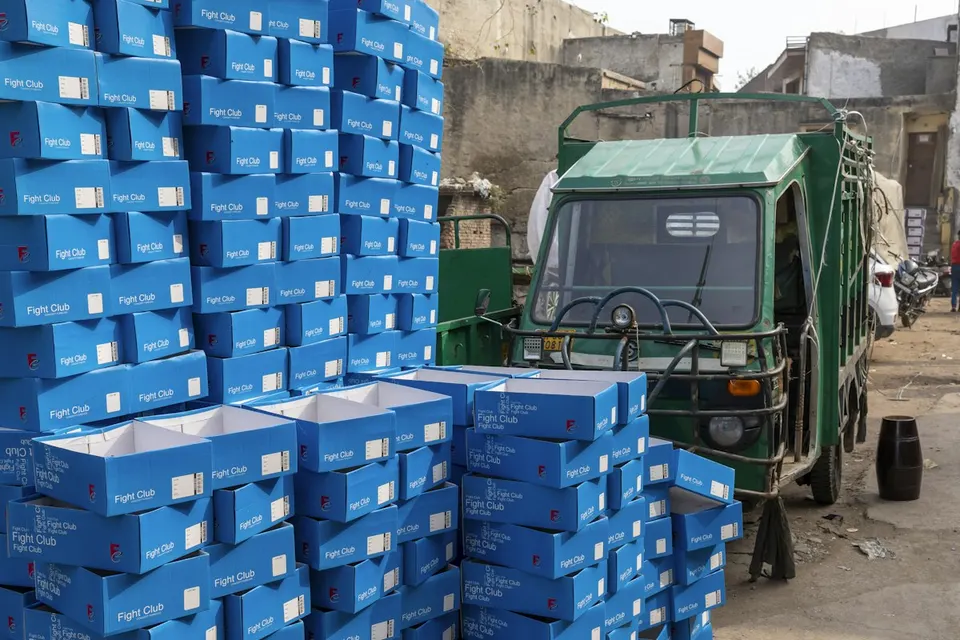
Food products fall mainly in HSN Chapters 04 to 22. From 22 September 2025, most processed foods such as butter, ghee, cheese, biscuits, namkeen, chocolates, pasta, juices and pre-packaged atta and rice are taxed at 5% GST under Notification 9/2025 (Rate), while sweetened aerated drinks and caffeinated beverages are in the 40% schedule.
Food is where GST classification gets detailed. The same product can be taxed differently depending on whether it is loose or pre-packaged, carbonated or not, sweetened or plain. The September 2025 restructuring simplified a lot of food items into the 5% band, but the conditions still matter. This guide lists common food HSN codes with rates verified against the rate notification effective 22 September 2025.
New to HSN? Start with what is HSN code.
Which HSN chapters cover food?
| Chapter | Covers |
|---|---|
| 02, 03 | Meat and fish |
| 04 | Dairy produce, eggs, honey |
| 07, 08 | Vegetables, fruits, nuts |
| 09 | Coffee, tea, spices |
| 10, 11 | Cereals and milling products (rice, wheat, atta) |
| 15 | Fats and oils |
| 17 | Sugar and sugar confectionery |
| 18 | Cocoa and chocolate |
| 19 | Cereal preparations (pasta, biscuits, cakes, corn flakes) |
| 20 | Preparations of vegetables, fruit, nuts (juices, pickles) |
| 21 | Miscellaneous edible preparations (namkeen, food preparations n.e.s.) |
| 22 | Beverages, water |
What GST applies to dairy, grains and staples?
Entries from Schedule I (5%) of Notification 9/2025:
| HSN | Description (summarised from the notification) | GST |
|---|---|---|
| 0402 | Milk and cream, concentrated or with added sugar, including condensed milk | 5% |
| 0403 | Yoghurt and fermented milk; pre-packaged and labelled curd, lassi and buttermilk | 5% |
| 0404 | Whey and products of natural milk constituents | 5% |
| 0405 | Butter and other fats and oils derived from milk, including ghee; dairy spreads | 5% |
| 0406 | Cheese, other than chena or paneer | 5% |
| 0901 | Coffee roasted | 5% |
| 0902 | Tea (other than unprocessed green leaves) | 5% |
| 1001 | Wheat and meslin, pre-packaged and labelled | 5% |
| 1006 | Rice, pre-packaged and labelled | 5% |
| 1101 | Wheat or meslin flour, pre-packaged and labelled | 5% |
Several basic foods in loose form (and some even when packaged) are exempt under a separate exemption notification. Because that notification was also revised in September 2025, check the current exemption entry before treating any item as nil-rated.
What GST applies to snacks, sweets and bakery?
Also from Schedule I (5%):
| HSN | Description | GST |
|---|---|---|
| 1704 | Sugar confectionery (including white chocolate), not containing cocoa | 5% |
| 1806 | Chocolates and other food preparations containing cocoa | 5% |
| 1901 20 00 | Mixes and doughs for bread, pastry and bakers' wares | 5% |
| 1902 | Vermicelli, pasta, noodles, couscous | 5% |
| 1904 | Corn flakes and prepared foods from cereal flakes; also muri, chira, khoi and murki (pre-packaged and labelled) | 5% |
| 1905 | Pastry, cakes, biscuits and other bakers' wares; extruded or expanded savoury products | 5% |
| 1905 40 00 | Rusks, toasted bread and similar | 5% |
| 2106 | Soya bari, mungodi, batters, idli/dosa batter, chutney powder, sweetmeats | 5% |
| 2106 90 | Namkeens, bhujia, mixture, chabena, whether or not pre-packaged | 5% |
| 2106 (other than 2106 90 20) | Food preparations not elsewhere specified (other than pan masala) | 5% |
Pan masala (2106 90 20) is specifically excluded and sits in a different schedule; check the current notification.
What GST applies to beverages?
| HSN | Description | Schedule | GST |
|---|---|---|---|
| 2009 | Fruit or nut juices and vegetable juices, unfermented, no added spirit | I | 5% |
| 2201 | Waters, including mineral and aerated waters, not sweetened or flavoured | I | 5% |
| 2202 99 | Plant-based milk drinks | I | 5% |
| 2202 99 10 | Soya milk drinks | I | 5% |
| 2202 99 20 | Fruit pulp or fruit juice based drinks (non-carbonated) | I | 5% |
| 2202 99 30 | Beverages containing milk | I | 5% |
| 2202 10 | Waters including aerated waters, with added sugar or sweetening, or flavoured | III | 40% |
| 2202 99 90 | Caffeinated beverages | III | 40% |
| 2202 | Carbonated beverages of fruit drink or with fruit juice | III | 40% |
This is a good example of why 4-digit HSN is not always enough: heading 2202 spans both 5% and 40% products. Use 6 or 8 digits for beverages even if your turnover only requires 4. See HSN code digits on invoice.
Worked example: a wholesale grocer's invoice
A Nagpur wholesaler supplies a kirana store in Nagpur (intra-state):
| Item | HSN | Taxable value | Rate | CGST | SGST |
|---|---|---|---|---|---|
| Ghee, 1 L × 20 | 0405 | ₹12,000 | 5% | ₹300 | ₹300 |
| Biscuits, cartons | 1905 | ₹8,000 | 5% | ₹200 | ₹200 |
| Namkeen, cartons | 2106 90 | ₹6,500 | 5% | ₹162.50 | ₹162.50 |
| Packaged atta, 10 kg × 15 | 1101 | ₹6,000 | 5% | ₹150 | ₹150 |
| Cola (sweetened, carbonated) | 2202 10 | ₹4,000 | 40% | ₹800 | ₹800 |
| Total | ₹36,500 | ₹1,612.50 | ₹1,612.50 |
Total GST = ₹3,225; invoice total = ₹39,725.
One carton of cola contributed nearly half the tax on this invoice. If the cola line had been wrongly coded at 5%, the wholesaler would have under-collected ₹1,400 on this single bill, and would owe that tax plus interest later. Cross-check numbers with the GST calculator.
How should food businesses set up billing?
- Create separate items for loose and pre-packaged versions of the same food, because their tax treatment can differ.
- Use 6 or 8 digits where a heading spans different rates (beverages, 2106, 1904).
- Record batch and expiry for perishable items; it helps with recalls, returns and stock rotation. See batch and expiry tracking.
- Check rates after every notification; food items were heavily revised in September 2025.
- Use credit notes for returns of expired or damaged goods at the original rate and HSN.
Billing Software by Betterwork supports inventory with batch and expiry along with HSN-wise rates, which suits bakeries, distributors and grocers.
How do bakeries, sweet shops and cloud kitchens classify their sales?
Food businesses sit on the line between goods and services, and the classification decides whether you use HSN or SAC:
| Business | What it supplies | Code type |
|---|---|---|
| Packaged biscuit or namkeen maker | Goods | HSN (1905, 2106 90) |
| Bakery selling cakes over the counter for takeaway | Usually goods | HSN (1905) |
| Sweet shop selling mithai by weight | Usually goods | HSN (2106 sweetmeats entry) |
| Restaurant or café serving food at tables | Service | SAC (heading 9963) |
| Outdoor catering for an event | Service | SAC |
| Cloud kitchen selling through a delivery app | Restaurant service | SAC, with special e-commerce rules |
A sweet shop that also has a seating area may need to think about whether a particular sale is a supply of goods or a restaurant service. If you do both, set up separate items (and possibly separate counters or bill series) so the right code and rate apply.
How do I bill a mixed hamper or gift box?
Festive hampers often combine items with different rates, for example dry fruits, chocolates and an aerated drink. If the items are sold together for a single price and are not naturally bundled, GST treats it as a mixed supply, taxed at the rate of the item with the highest rate. A hamper with a 40% sweetened aerated drink inside could be taxed entirely at 40%.
Two ways to avoid surprises:
- Price and invoice the items separately, each with its own HSN and rate.
- Leave high-rate items out of hampers sold at a single price.
Quick checklist before you code a food item
- Is it sold as goods, or served as a restaurant or catering service?
- Which chapter matches its main ingredient and processing level?
- Does the rate entry depend on being "pre-packaged and labelled"?
- Does the heading split into different rates at 6 or 8 digits (beverages, 2106)?
- Is the item listed in the exemption notification instead of a rate schedule?
- Have you checked the latest amendment to Notification 9/2025?
Running through these six questions for each new product takes a few minutes and prevents most errors seen in food billing.
How should a food business set up its item master?
A grocery store or food manufacturer often carries hundreds of items, and the same base product can appear in several forms. Setting up the item master carefully is the most effective way to keep rates right on every bill.
- Group items by form, not by name. "Rice" can be loose and unbranded, pre-packaged and labelled, or a ready-to-cook mix. Each form can carry a different code or rate, so create separate items.
- Use the deepest digits you can confirm. Even if your turnover lets you print 4 digits, store 6 or 8 digits for beverages, dairy and preparations where one heading spans several rates.
- Flag exempt items explicitly. Mark them as exempt or nil-rated rather than leaving the tax field blank, so your returns report them in the correct table.
- Record packing details. Pack size and whether the item is pre-packaged and labelled affect the treatment of many staples.
- Review after every rate notification. Food rates were restructured in September 2025 and the goods notification has been amended since, so schedule a check whenever a new notification is issued.
Edge case: the same product sold loose and packed
A Nashik grocer buys paneer in bulk and sells it both cut-to-order from the counter and in sealed, labelled packs. Because packing and labelling can change the treatment, the grocer keeps two separate items with their own codes and rates, and the billing screen picks the right one depending on which shelf the item came from. Merging them into one item would apply a single rate to both and misreport the sales.
Common mistakes in food GST
- Ignoring the "pre-packaged and labelled" condition. The same rice or atta can be treated differently depending on how it is packed and sold.
- Using 2202 for all drinks. The heading covers 5% and 40% products; the exact sub-heading matters.
- Treating restaurant service as goods. Restaurant meals are services under SAC 9963, not food HSN codes.
- Coding paneer under cheese. Heading 0406 at 5% explicitly excludes chena and paneer, which are treated separately.
- Copying old 12% or 18% rates. Items like butter, ghee, cheese, pasta and chocolates moved to 5% from 22 September 2025.
- Not checking later amendments. Notification 9/2025 has been amended since; confirm against the latest consolidated version. See GST rates and slabs.
Key takeaways
- Food spans HSN Chapters 02 to 22; most processed foods are at 5% from 22 September 2025.
- Sweetened or flavoured aerated waters, caffeinated and carbonated fruit beverages are in the 40% schedule.
- "Pre-packaged and labelled" is a legal condition linked to Legal Metrology law.
- Use detailed codes where one heading covers several rates.
- Restaurants use SAC, not food HSN codes.
This guide is general information, not tax advice. Rules last checked on 20 October 2026; confirm with your tax professional for your situation.